
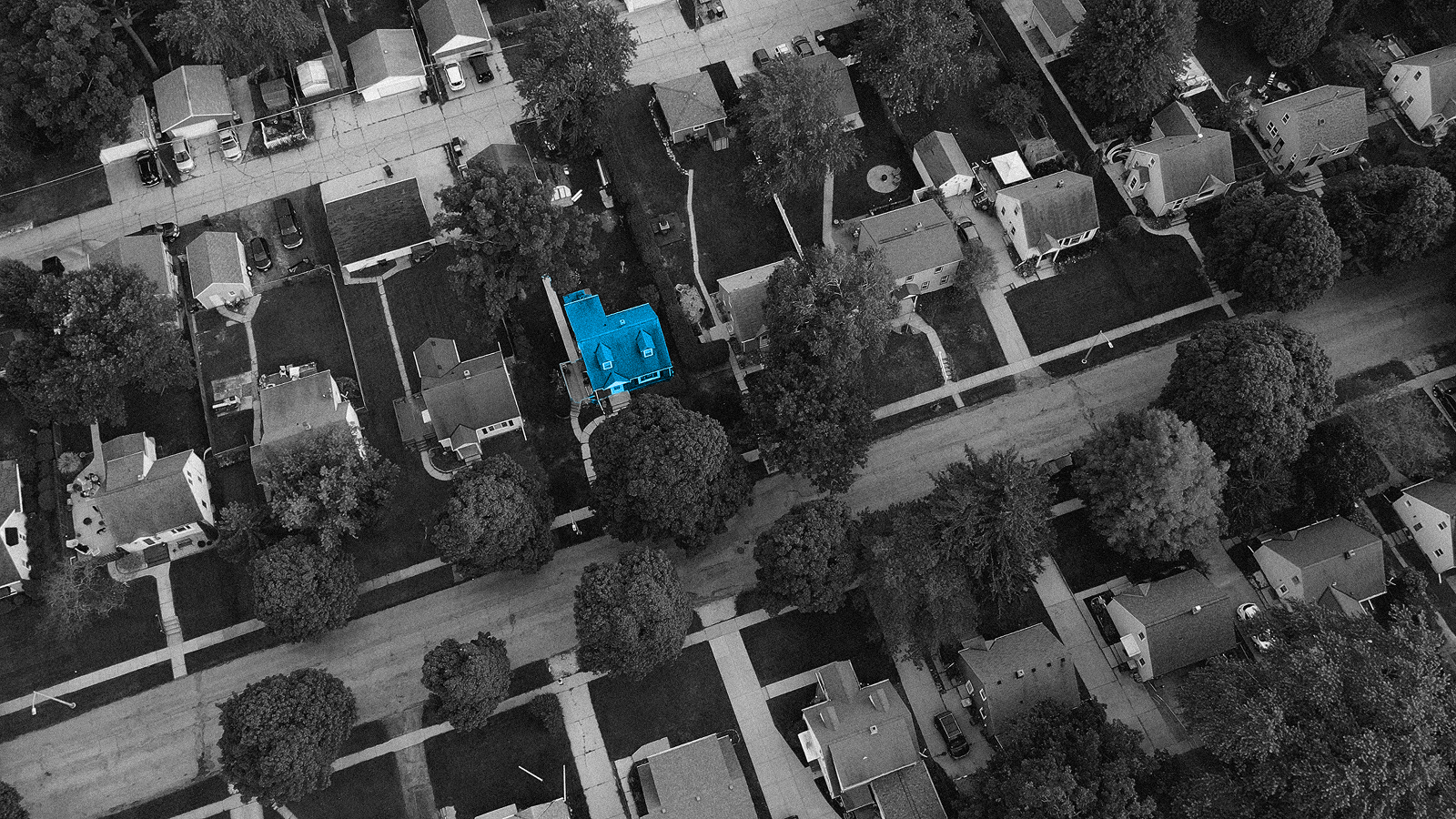
A lower-than-expected appraisal can create challenges for brokers, whether it’s a refinance, purchase, or pre-construction transaction. When an appraisal comes in below expectations, it can affect financing, delay closings, and require additional conversations with clients and lenders.
RPS sees a handful of common factors behind these valuation gaps. While changing market conditions can play a role, appraisal outcomes are often influenced by factors such as borrower expectations, property-specific considerations, documentation provided, and lender requirements.
Recent data from the RPS House Price Index shows that home values have softened in several Canadian markets, increasing the likelihood of a gap between an expected value and current market value. Understanding the most common causes can help brokers set realistic expectations with clients and determine the appropriate next steps when a lower-than-expected appraisal occurs.
Why appraisals come in under value
The appropriate course of action for brokers depends on the specific circumstances surrounding the appraisal. Here are some of the most common reasons for an appraisal to come in low:
- Client-driven estimates at refinance: In our experience, this is the most common reason for an appraisal that is below expectations, particularly for refinances, which have overtaken originations amid the prolonged cooling of the Canadian housing market. In fact, upwards of two million mortgages are up for renewal between 2025 and 2026, with many obtained at rates around 1% or less, according to the Canada Mortgage and Housing Corporation.
Refinance appraisals begin with the client’s own estimate of value, which the lender then verifies. In a softening market, client expectations frequently lag market reality.A tool such as RPS’s House Price Tracker keeps brokers and their clients informed. The tool, which tracks movement in local home prices based on recent appraisal comparables, can help brokers manage client expectations before the initial appraisal is ordered.
- Quick shifts in the real estate market: Momentum can shift dramatically from month to month — or between the time the property value is estimated and the deal goes firm. The value could change within a span of three or four months between agreement to purchase and closing, which has been observed in markets such as Hamilton and Toronto, where home values have sunk by nearly 10% on a year-over-year basis as of April, according to the RPS House Price Index.
- The lender’s terms of reference: For example, on an acreage property, some lenders may only include the house, plus a maximum of five acres, towards the total value rather than the entire property, which may be larger.
- Premium pricing for pre-construction units: It has become increasingly common for appraisal values on brand new homes to fall short of the agreed-upon pre-construction purchase price.
The trend is especially prevalent in the more volatile Greater Toronto and Greater Vancouver markets. Major issues are emerging because many homebuyers were entering pre-construction purchase agreements in 2022-2023 — at the market’s peak — and these homes were set to close in 2025-2026, when there’s been a drastic rebalancing in the market.
- A mistake or incomplete documentation: For example, in the case of a yet-to-be-built custom home on a vacant lot, certain details may have been omitted, such as the inclusion of heated floors or a large slab marble counter, which can result in a lower valuation.
One of the most common examples of incomplete or missing information that RPS appraisers encounter is failure to declare a secondary suite, which can significantly add to a home’s value but may be overlooked during a desktop appraisal where the existence of the suite may not be apparent without notification.
What brokers can do about a lower-than-expected appraisal
There is more than one step for brokers or lenders to take if they (or their clients) are not satisfied with the appraised value that they receive.
- Trigger a Value Appeal: After reviewing the appraisal report, a broker can opt to appeal the decision with a formal Value Appeal. RPS offers lenders and brokers the option to appeal a value if it does not seem accurate.
Note that brokers must provide substantive evidence for an appraiser to undertake an appeal. Typically, additional comparables are required to make the case for a higher valuation. These comparables can be uploaded to the RPS portal. Comparables should be recent (no more than 90 days old) and reflect as many characteristics as possible of the property in question.
- Order a second opinion: If the Value Appeal is rejected upon review or specific questions about the appraisal have not yielded a higher value, the broker’s other option is to open a second-opinion order, which is assigned to a different appraiser.
Before submitting a second-opinion order, RPS recommends reminding the client that it is possible this follow-up appraisal may not yield a higher valuation and to develop a contingency plan, if possible.
Summary:
Brokers should treat low appraisals as a routine risk to manage proactively rather than an exception to escalate reactively. This means calibrating client value expectations with current market data prior to the appraisal. Due diligence is key to ensure that the specifications provided to the appraiser are complete and most accurately reflect the property’s various attributes. Finally, if the appraised value is not satisfactory, understanding the best course of action, whether it is launching a Value Appeal or ordering a second opinion, is crucial to resolving the issue.
RPS is the go-to appraisal partner for brokers across Canada, supporting every stage of the process from file submission to value appeals.

Julian Perera
Appraiser Network Manager, Western Region
Julian is RPS’s Appraiser Network Manager, Western Region. He has extensive experience within RPS’s Broker and Success teams. As a designated DAR, Julian combines strong industry knowledge with a deep understanding of appraiser relationships, operational workflows, and service excellence.
Julian is RPS’s Appraiser Network Manager, Western Region. He has extensive experience within RPS’s Broker and Success teams. As a designated DAR, Julian combines strong industry knowledge with a deep understanding of appraiser relationships, operational workflows, and service excellence.